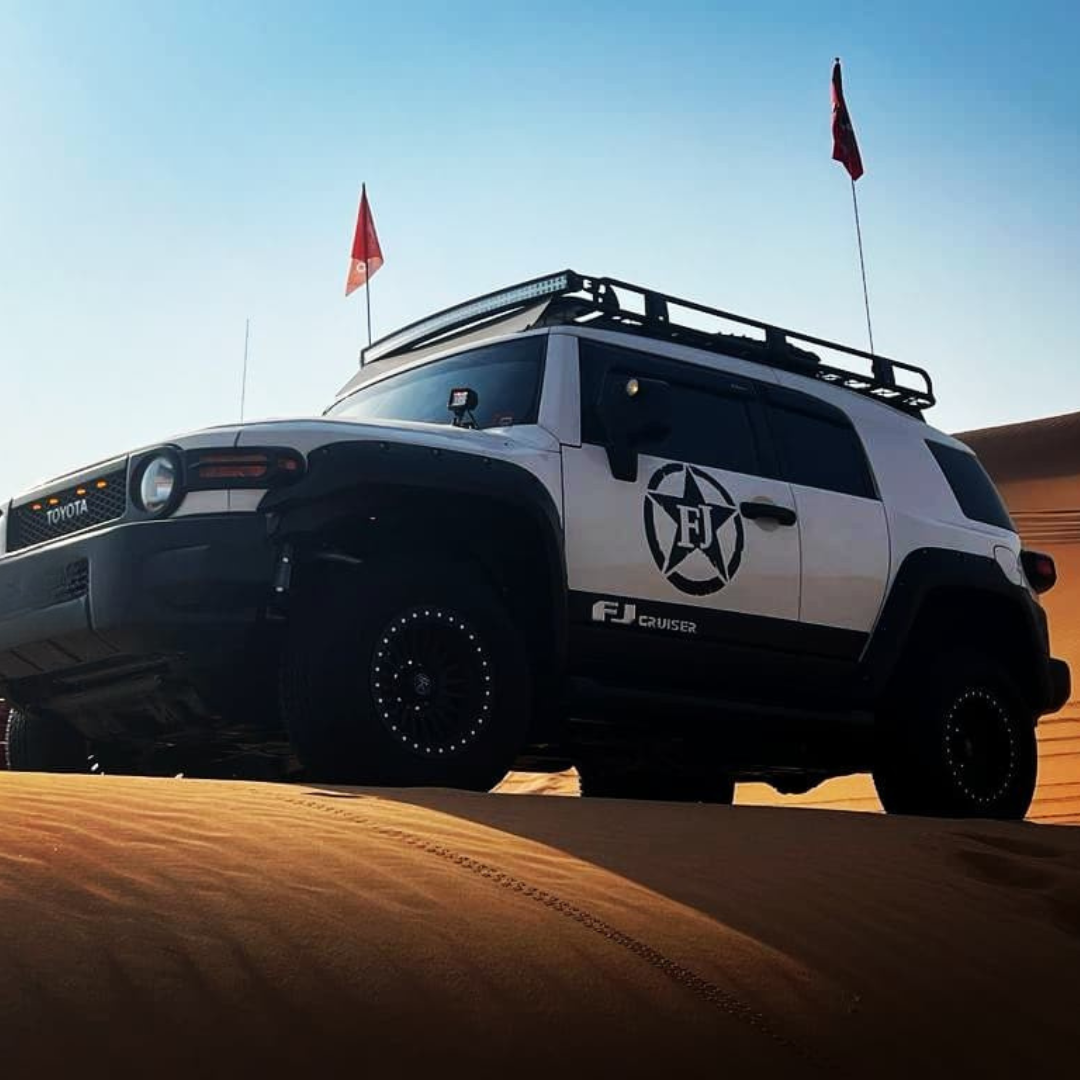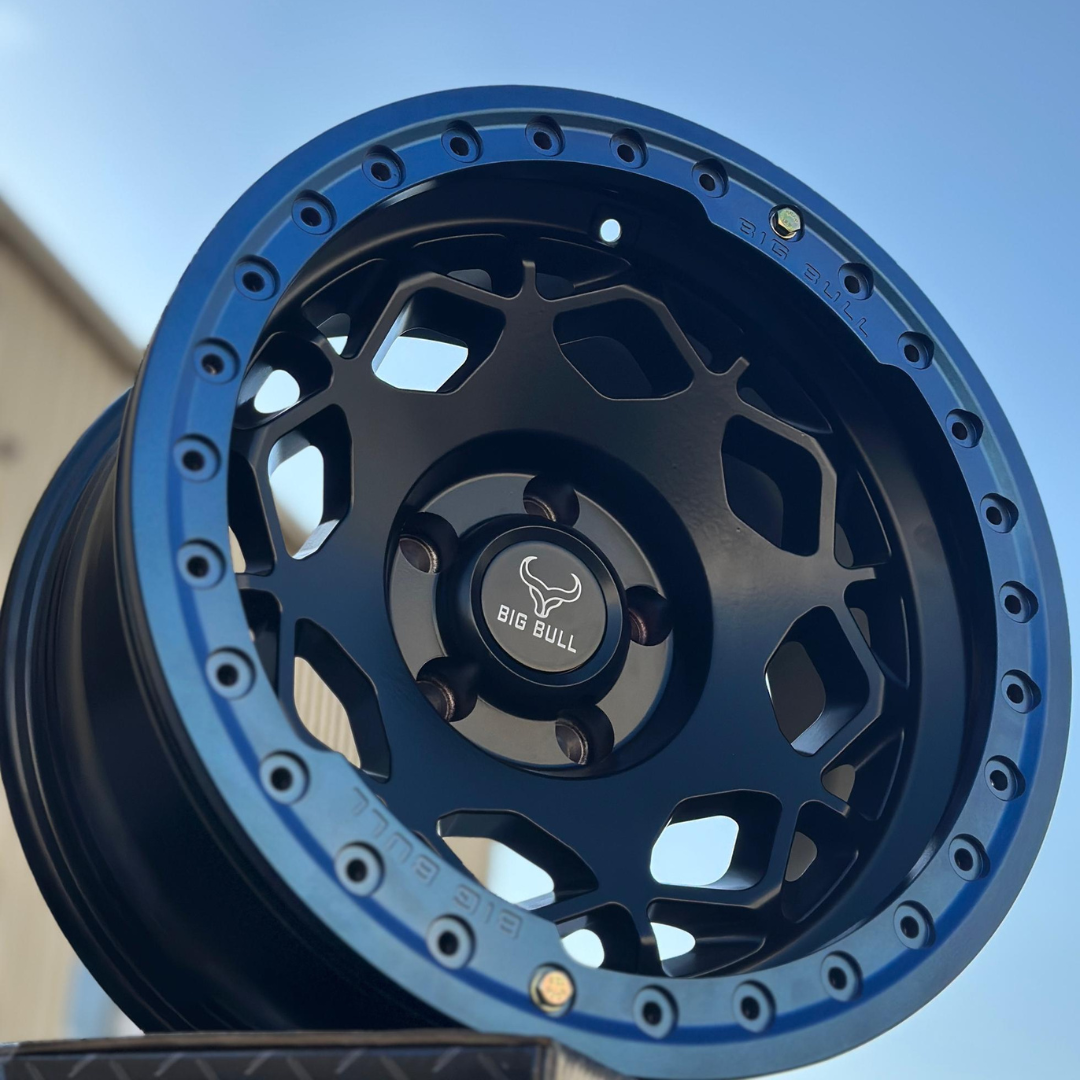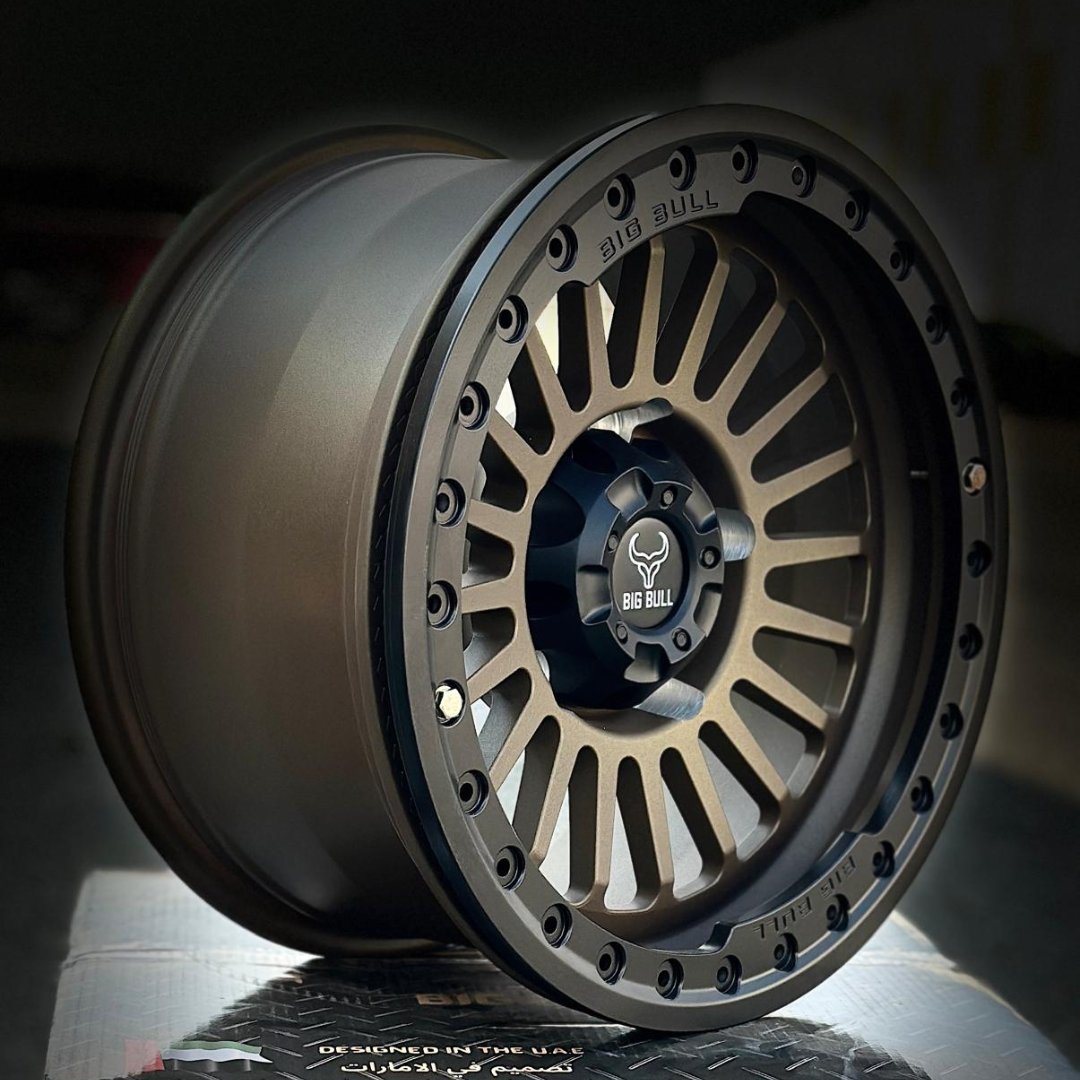
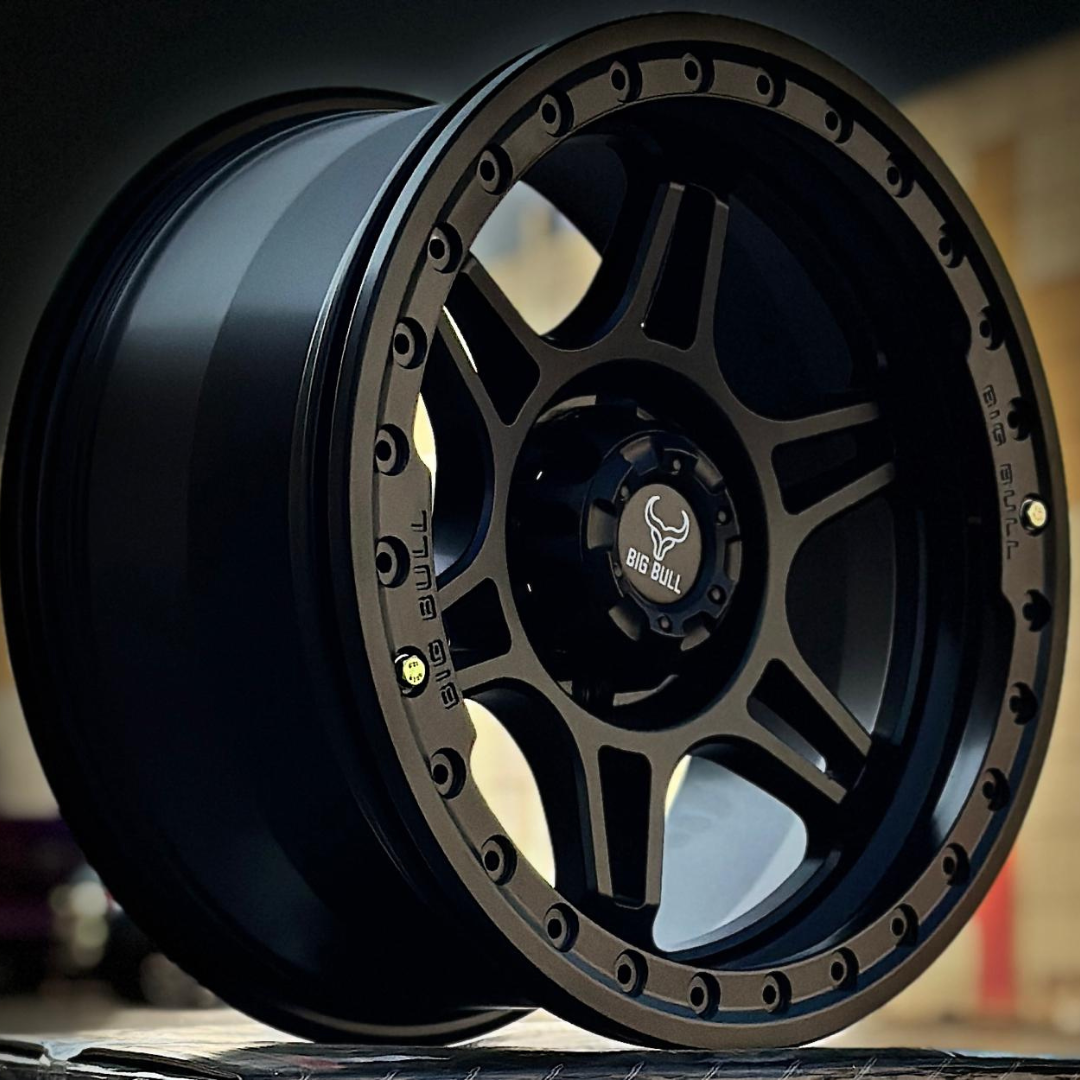
Off-road driving in desert environments is both thrilling and demanding. While many drivers focus on engine power or tyre pressure, wheel-related mistakes are among the most common causes of performance issues, breakdowns, and safety risks in desert conditions. Understanding these mistakes—and how to avoid them—can make a significant difference in vehicle control, durability, and overall driving confidence.
Using Wheels Not Designed for Desert Stress
One of the most frequent mistakes off-road drivers make is using wheels that are not engineered for extreme desert environments. Desert driving places unique stresses on wheels due to high temperatures, sharp rocks, deep sand, and repeated impacts.
Wheels that lack proper structural reinforcement may flex excessively, crack, or fail under pressure. Off-road environments demand wheels built to handle high loads, torque, and continuous vibration. Choosing wheels specifically designed for off-road use ensures durability and consistent performance in harsh desert conditions.
Ignoring Proper Wheel Fitment
Incorrect wheel fitment is another common issue that can severely affect vehicle stability. Wheels with improper offset or width can place unnecessary strain on suspension components, steering systems, and wheel bearings.
Poor fitment may also cause rubbing against suspension parts or fenders, especially when driving over uneven terrain. This not only affects handling but can lead to long-term mechanical damage. Ensuring proper wheel fitment improves vehicle balance, steering response, and suspension longevity.
Driving with Incorrect Tire Pressure for the Wheels
Many drivers lower tyre pressure for better traction in sand, but fail to consider how this impacts wheel performance. Driving at extremely low pressure without proper wheel support increases the risk of tyre bead separation.
This mistake often leads to sudden air loss, reduced control, and potential wheel damage. Using wheels designed to securely hold the tyre bead allows drivers to safely run lower pressures, improving traction while maintaining control in soft sand environments.
Overlooking Heat Buildup and Metal Fatigue
Desert temperatures place extreme thermal stress on wheels. Continuous driving under high heat can cause metal fatigue over time, especially if the wheels are not designed to dissipate heat effectively.
Drivers often overlook early warning signs such as discolouration, vibration, or small structural changes. Regular inspection after desert runs is essential. Allowing wheels to cool down naturally and avoiding aggressive driving immediately after long, high-speed runs helps preserve structural integrity.
Using Heavy Wheels Without Considering Performance Impact
Some drivers assume heavier wheels automatically mean better durability. While strength is important, excessive weight can negatively affect performance, especially in desert driving.
Heavy wheels increase rotational mass, making it harder for the vehicle to accelerate, brake, and maintain momentum in soft sand. This can lead to increased fuel consumption and engine strain. Choosing wheels that balance strength and weight is key to achieving optimal off-road performance.
Neglecting Regular Wheel Inspections
Another critical mistake is skipping routine wheel inspections. Desert environments accelerate wear due to sand abrasion, vibration, and repeated impacts.
Small cracks, bent edges, or loose fasteners can worsen quickly if ignored. Regular inspections before and after off-road trips help identify issues early, preventing costly damage and ensuring safety. This practice is especially important for vehicles frequently driven in dunes or rocky areas.
Improper Cleaning After Desert Driving
Sand and debris can accumulate in wheel components and mounting areas. Failing to clean wheels properly after desert driving can lead to corrosion, imbalance, and premature wear.
Using appropriate cleaning methods helps maintain wheel finish and performance. Removing sand buildup also prevents long-term damage that may not be immediately visible but can affect wheel strength over time.
Misjudging Driving Style in Desert Terrain
Aggressive driving may look impressive, but it places excessive stress on n wheels. Sudden impacts, sharp turns at high speeds, and hard landings can compromise wheel integrity, even on high-quality off-road wheels.
Adapting driving style to desert terrain—maintaining smooth throttle control and avoiding unnecessary impacts—helps preserve wheel performance and reduces the risk of failure during extended off-road sessions.
How to Avoid These Wheel Mistakes
Avoiding common wheel mistakes starts with education and preparation. Selecting wheels engineered for desert off-road conditions, ensuring correct fitment, maintaining proper tyre pressure, and performing regular inspections all contribute to a safer and more enjoyable driving experience.
Understanding how desert conditions affect wheel performance allows drivers to make smarter choices, reduce vehicle stress, and improve reliability during off-road adventures.
Final Thoughts
Desert off-road driving demands more from wheels than most environments. Small mistakes in wheel selection, maintenance, or driving habits can quickly turn into serious problems.
By avoiding these common wheel-related mistakes, off-road drivers can enhance performance, improve safety, and extend the lifespan of their wheels—ensuring every desert drive is both exciting and dependable.