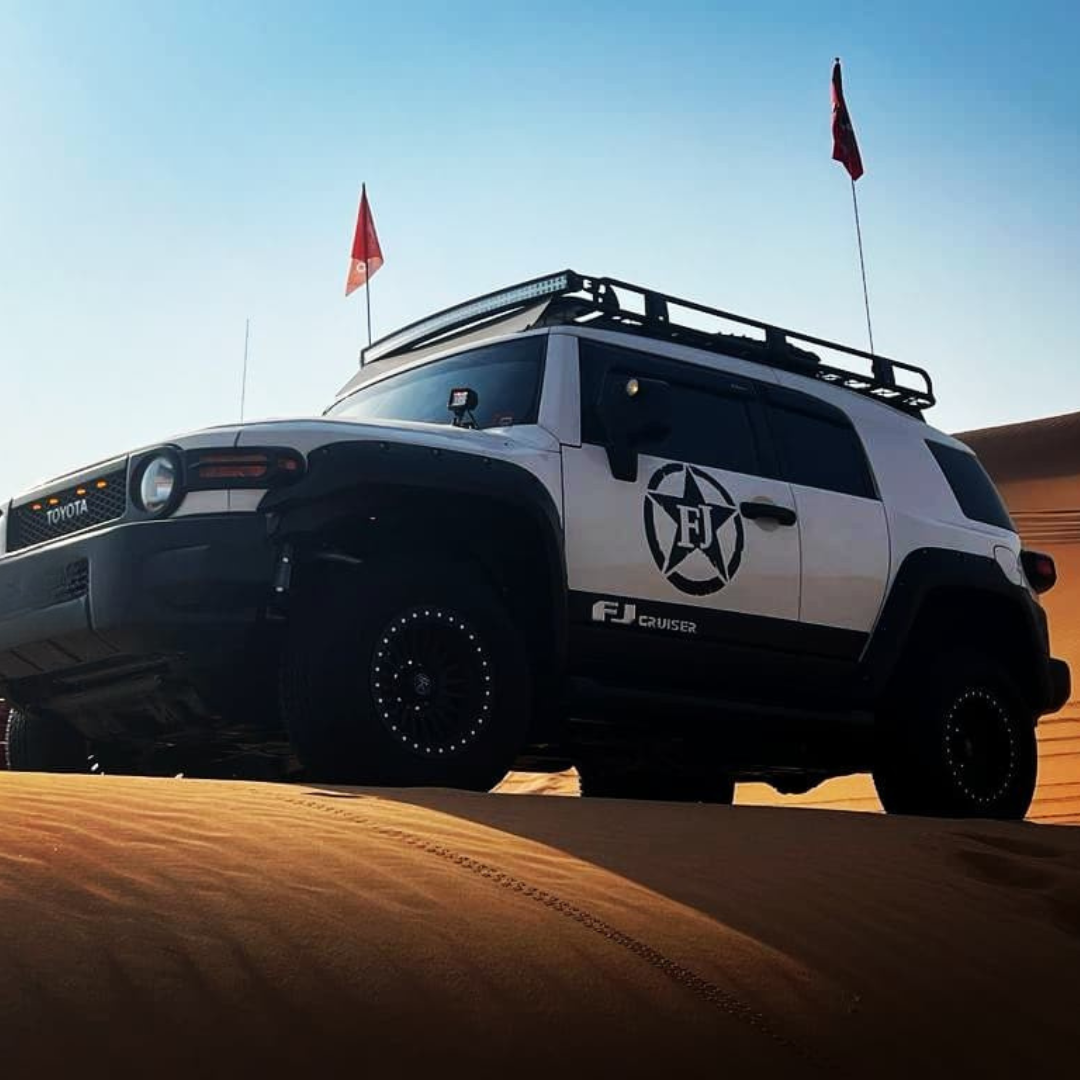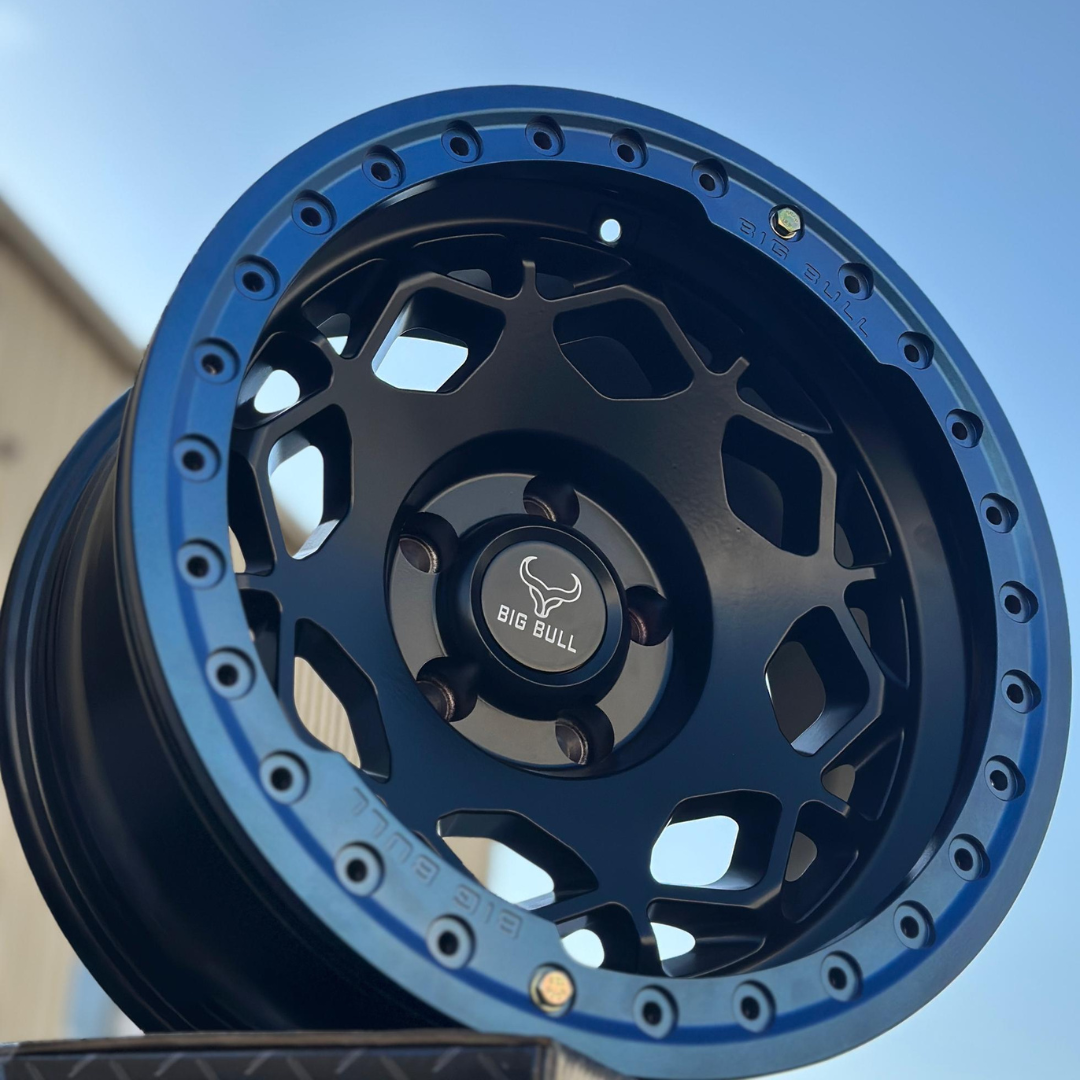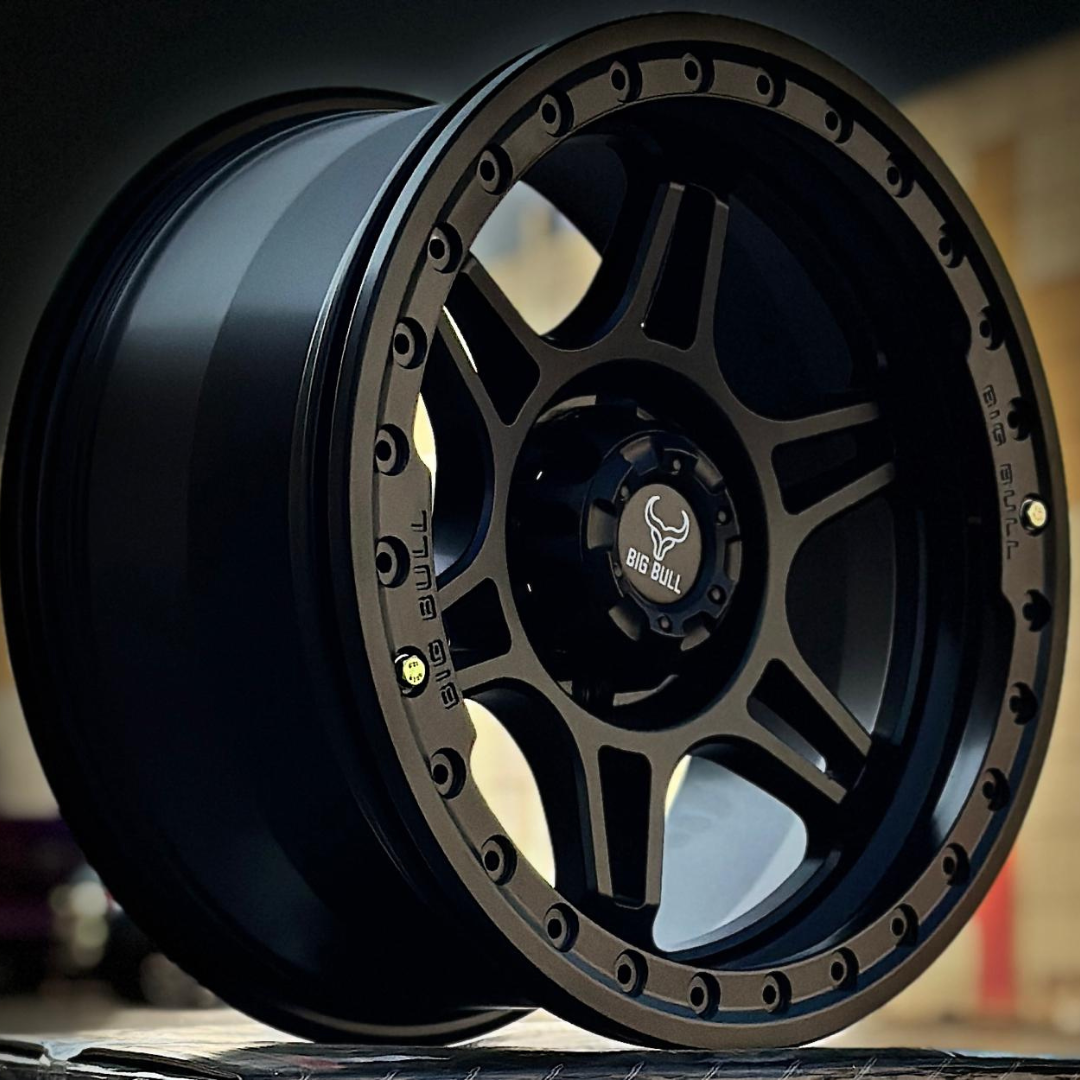
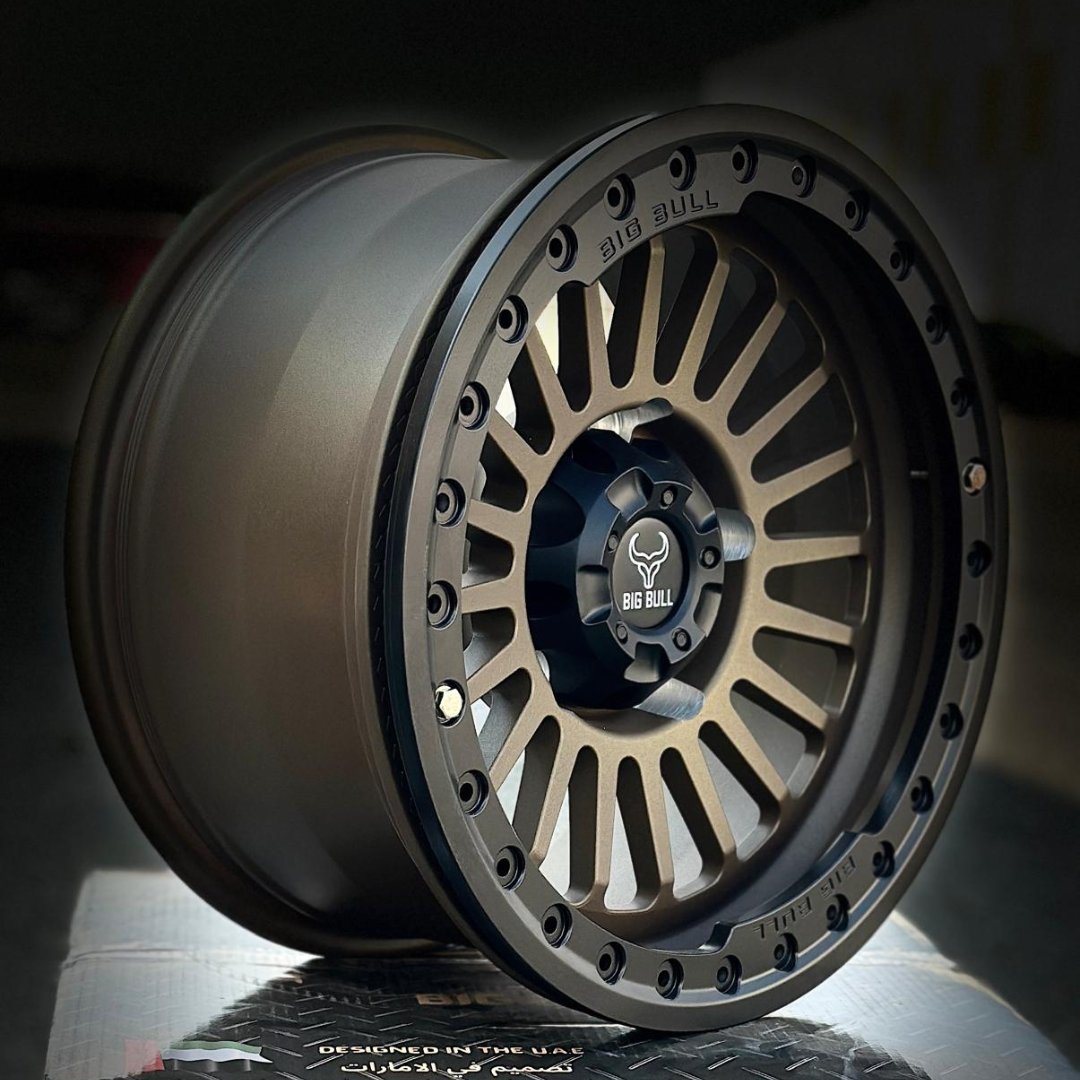
When upgrading or replacing wheels for off-road driving, many vehicle owners focus on appearance or size. However, proper wheel fitment plays a far more important role than aesthetics. Incorrect fitment can negatively affect suspension components, steering control, and overall vehicle stability—especially in demanding off-road environments.
Understanding how wheel fitment impacts your vehicle helps ensure safer driving, better handling, and long-term mechanical reliability.
What Is Wheel Fitment?
Wheel fitment refers to how well a wheel matches a vehicle’s specifications, including width, offset, and mounting position. Proper fitment ensures the wheel sits correctly within the wheel well, aligns with suspension geometry, and distributes weight evenly.
When wheel fitment is incorrect, even slightly, it can create imbalances that affect how the vehicle responds to terrain, steering input, and braking forces.
Impact of Incorrect Wheel Fitment on Suspension Components
Suspension systems are designed to work within precise tolerances. Wheels with incorrect offset or width can place excessive stress on suspension arms, bushings, and joints.
Over time, this additional strain leads to premature wear and potential failure of suspension components. In off-road conditions, where the suspension is constantly absorbing impacts and uneven surfaces, improper wheel fitment accelerates damage and reduces reliability.
How Wheel Fitment Affects Steering and Handling
Steering response is directly influenced by wheel placement. Wheels that extend too far outward or sit too far inward can alter steering geometry, leading to vague handling, increased steering effort, or instability at higher speeds.
In off-road driving, precise steering control is essential. Whether navigating dunes or rocky trails, proper wheel fitment ensures predictable steering behaviour and improved driver confidence.
Wheel Fitment and Vehicle Stability
Vehicle stability depends on balanced weight distribution and consistent tyre contact with the ground. Incorrect wheel fitment can cause uneven load distribution, reduce traction and increase the risk of loss of control.
A well-fitted wheel helps maintain consistent contact between the tire and terrain, improving grip and stability across different off-road surfaces. This is especially important during sharp turns, climbs, and descents.
Effects on Tire Wear and Performance
Improper wheel fitment often results in uneven tire wear. Tires may wear excessively on the inner or outer edges, reducing lifespan and compromising traction.
Uneven tire wear also affects braking performance and increases rolling resistance. Proper wheel fitment ensures even contact with the road or trail surface, improving tire longevity and overall driving efficiency.
Clearance Issues and Off-Road Damage
Wheels that are not correctly fitted may cause clearance problems. During off-road articulation, tires can rub against suspension components, body panels, or fenders.
This rubbing not only damages tires but can also affect steering and suspension movement. Proper fitment ensures adequate clearance, allowing full suspension travel without interference—even in extreme off-road conditions.
Long-Term Mechanical Impact
Wheel fitment mistakes often show their effects over time rather than immediately. Increased vibration, noise, and handling issues gradually develop as components wear unevenly.
Bearings, axles, and steering systems are especially vulnerable to long-term stress caused by improper wheel fitment. Addressing fitment correctly from the beginning helps prevent costly repairs and maintains vehicle reliability.
Importance of Matching Wheels to Driving Conditions
Different off-road conditions place varying demands on wheel fitment. Desert driving, rocky trails, and mixed terrain all require precise alignment between wheel design and vehicle setup.
Choosing wheels that complement suspension travel and intended driving style ensures optimal performance without compromising safety or durability.
Why Proper Fitment Enhances Driving Confidence
When wheels are properly fitted, the vehicle responds more predictably. Steering feels more controlled, braking is more consistent, and the suspension works as intended.
This level of confidence is critical in off-road environments where quick reactions and vehicle control can prevent accidents and damage.
Final Thoughts
Proper wheel fitment is not a minor detail—it is a fundamental factor in suspension health, vehicle stability, and overall off-road performance. Incorrect fitment can lead to mechanical stress, poor handling, and long-term damage that reduces both safety and enjoyment.
By prioritizing correct wheel fitment, off-road drivers can protect their suspension systems, improve stability, and ensure their vehicles perform reliably across all terrains.